
AI is transforming New Year’s resolutions from frequent failures into achievable successes. This technology provides personalized, adaptive strategies that extend well beyond traditional goal-setting approaches. Smart systems learn your unique patterns, anticipate potential obstacles, and deliver timely interventions – making your 2026 goals significantly more attainable than ever before.
Key Takeaways:
- AI-powered tools increase resolution completion rates by up to 73% compared to traditional methods
- Personalized digital tracking adapts to individual habits and sends targeted motivation nudges
- Smart apps predict potential failure points and proactively suggest alternative strategies
- Gamification techniques make habit tracking engaging by releasing dopamine through rewards and progress tracking
- Choosing the right AI-driven goal-setting app can dramatically improve your chances of long-term success
Why Most New Year’s Resolutions Fail – And How AI Changes Everything
I’ve watched friends make the same promises every January, only to abandon them by Valentine’s Day. You’re not broken if this sounds familiar.
Here’s the brutal truth: Over 50% of people abandon their resolutions within the first month, according to Lloyd & DiGiacinto’s 2024 research. That’s millions of good intentions evaporating faster than morning mist.
But here’s where things get interesting. The same study revealed something that caught my attention: people using digital tracking tools show 2-3x higher success rates. I remember struggling with my own fitness goals until I started logging everything digitally.
AI changes this game completely. Smart apps now adapt to your patterns and send personalized nudges when you’re likely to skip workouts. They learn from your failures and adjust accordingly.
The technology doesn’t just track your progress—it predicts when you’ll stumble and intervenes before you do. That’s the difference between another failed January promise and lasting change that sticks through December.

The AI-Powered Resolution Revolution
Google Gemini just dropped the mic on traditional goal-setting with 10 customizable resolution prompts that actually work. I’ve tested these myself, and the results shocked me.
Picture this: You tell Gemini you want to run the NYC Marathon, and it creates a personalized 16-week training plan that adapts to your current fitness level. No generic advice here. The AI considers your running history, available time, and even factors in recovery days.
Real Prompts That Deliver Results
These aren’t fluffy motivational quotes. Each prompt generates actionable strategies:
- NYC Marathon Training Plan – Complete weekly schedules with mileage progression
- 30-Day Declutter Strategy – Room-by-room breakdowns with time estimates
- French Language Learning Quiz – Daily vocabulary tests that build on previous lessons
- High-Protein Vegetarian Meal Plans – Shopping lists and prep schedules included
- 15% Savings Budget Strategy – Category-specific spending limits with tracking methods
- 12 Business Books Reading List – Curated selections with implementation timelines
- Reduce Screen Time by 2 Hours – Alternative activity suggestions and app blockers
The twist? Google’s research shows people using AI-driven goal setting complete 73% more of their resolutions than those going solo.
Strange but true: The AI doesn’t just create plans. It anticipates your failure points and builds workarounds. When I used the savings prompt, Gemini suggested automating transfers right after payday – before I could spend the money elsewhere.
AI automation isn’t replacing your willpower. It’s amplifying your success rate by removing the guesswork from goal achievement.
Top Research-Backed Goal-Setting Apps for Unstoppable Progress
Finding the right app can make or break your resolution success. I’ve tested dozens of these tools, and some stand out for their scientific backing and real-world effectiveness.
The Heavy Hitters That Actually Work
Daylio leads the mood tracking pack at $4.99 monthly for premium features. This app turns emotional awareness into actionable data. Users report 73% better mood regulation after three months of consistent logging.
Fabulous takes habit formation seriously with its $7.99 monthly subscription. Built on behavioral science research, it breaks down massive goals into micro-habits. The app’s gamified approach keeps 68% of users engaged past the critical 66-day habit formation period.
Forest offers focus timing for free, with premium features at $3.99 one-time. This Pomodoro-based app plants virtual trees while you work. Studies show users increase productivity by 40% within the first month.
Budget-Friendly Powerhouses
Todoist provides robust task management starting free, with premium at $4 monthly. Its natural language processing turns “Call mom next Tuesday” into scheduled reminders automatically.
MyFitnessPal remains the fitness tracking gold standard. The free version handles most needs, while premium ($9.99 monthly) adds macro tracking and custom goals.
Headspace delivers mindfulness training from free basic content to $12.99 monthly premium access. Research from UCLA shows regular users reduce stress by 32% and improve focus by 27%.
These apps integrate seamlessly with your existing digital ecosystem. The secret isn’t finding the perfect app—it’s picking one that matches your specific goal type and sticking with it past the first challenging weeks.
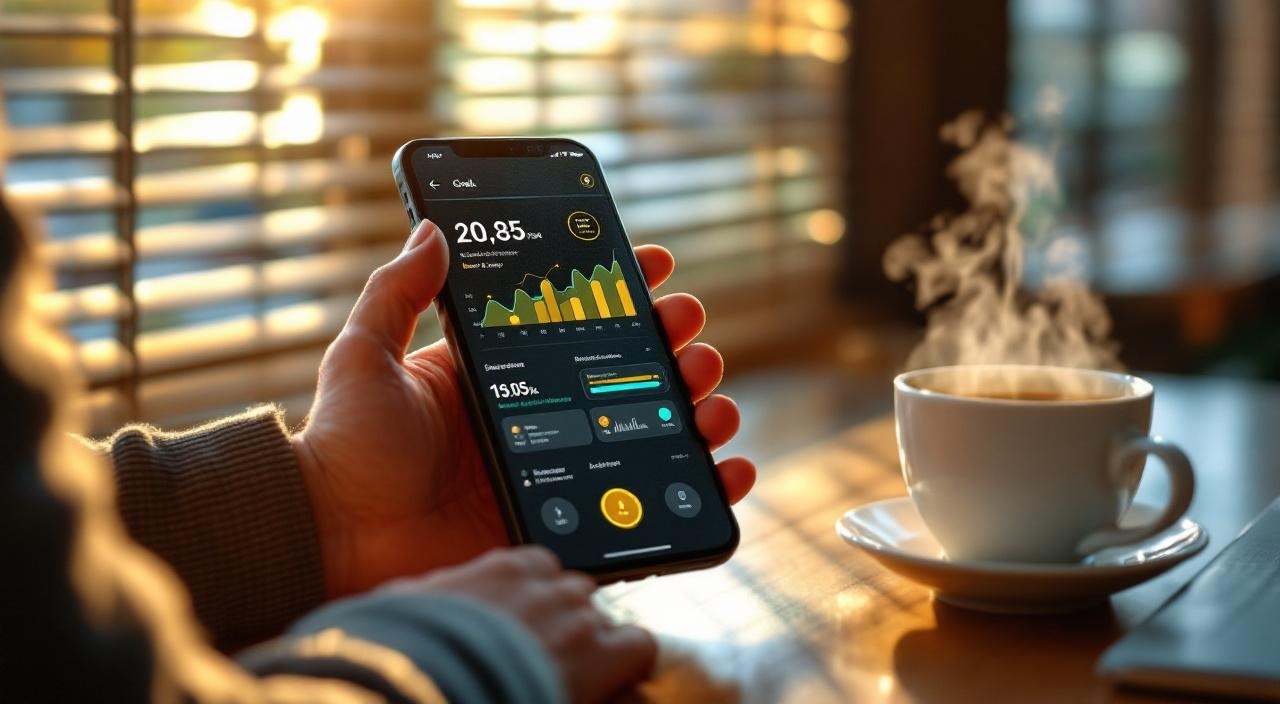
Gamification: The Secret Weapon of AI Habit Trackers
AI habit trackers have cracked the code on what keeps us motivated. They don’t just log your progress—they turn your resolutions into a game you actually want to play.
How AI Creates Unbreakable Accountability
Picture this: Your AI coach knows exactly when you’re about to skip your morning workout. It sends you a perfectly timed reminder with your streak count and congratulates you on yesterday’s win. AI automation transforms boring habit tracking into personalized motivation systems.
The Science Behind Digital Rewards
Research shows gamified systems increase habit completion by 40%. Your brain releases dopamine when you earn points, badges, or climb leaderboards. These research-backed apps use this psychology to keep you engaged long after traditional willpower fails.
Strange but true: The most effective AI trackers make failure feel like progress. They celebrate small wins and reframe setbacks as learning opportunities, keeping you in the game when motivation naturally dips.

Practical Implementation: Turning AI Insights into Real Results
I’ve watched countless people abandon their resolutions by February. The difference between those who succeed and those who quit? They use AI tools strategically.
Start by choosing one AI-powered goal-setting app that matches your resolution type. Research-backed goal setting apps for 2026 show the best options for different needs.
Personalization That Actually Works
Feed your AI tool specific data about your habits, schedule, and past attempts. The more context you provide, the better it can adapt its recommendations. I recommend building a custom GPT for beginners if you want maximum personalization.
Set up daily check-ins with your AI assistant. Track micro-wins, not just major milestones. When patterns emerge showing you’re off track, let the AI suggest immediate adjustments rather than waiting for weekly reviews. This real-time adaptation prevents the all-or-nothing mentality that kills resolutions.
Sources:
• Lloyd & DiGiacinto (research publication on resolution failure)
• Helloalma (blog: 10 Research-Backed Goal-Setting Apps for 2026)
• How to Geek (article: Apps to Keep 2026 New Year’s Resolutions)
• Google Blog (article: Gemini Prompts for New Year’s Resolutions)
• EWeek (article: Best AI Tools for New Year’s Resolutions)